Priming your pool pump is a fundamental step in ensuring its efficient operation and longevity. This essential task eliminates air from the system, enabling the pump to generate adequate suction. As a result, it ensures effective circulation and filtration of your pool water. Understanding how to prime a pool pump is crucial for maintaining your pool’s health and achieving optimal performance. This guide provides a comprehensive approach to effectively perform pool pump priming, allowing you to enjoy a clean and well-maintained swimming environment.
Key Takeaways
- Priming your pool pump ensures efficient operation and prevents potential damage.
- Typically, a pool pump should prime within one to twenty seconds.
- Regular maintenance of your pool pump is vital for avoiding future priming issues.
- Common brands require specific priming instructions; always refer to the manufacturer’s guidelines.
- Safety comes first; make sure to turn off the power before any maintenance work.
- Winterizing your pool pump involves proper priming and appropriate protective measures.
Understanding Pool Pump Priming
Effective pool maintenance hinges significantly on the importance of priming a pool pump. Proper priming ensures that the water circulates through the filtration system, maintaining clarity and cleanliness. Without adequate priming, the pump may operate inefficiently or suffer damage, which could impede your residential pool care efforts.
Importance of Priming Your Pool Pump
Priming is crucial for multiple reasons:
- Ensures efficient circulation of water, allowing filtration systems to keep pool water clean.
- Prevents damage by eliminating the risk of the pump running dry.
- Aids in maintaining proper water levels, which is critical for effective filtering.
When attention is paid to the priming process, you enhance the overall performance of your pool system, supporting its longevity and reducing repair costs associated with improper operation.
When Is Priming Necessary?
There are specific instances when priming is necessary:
- After installation of a new pump.
- When performing maintenance on the pool system.
- Following long periods of disuse where the pump may lose its prime.
- When the water level in the pool falls below the skimmer.
Recognizing these circumstances allows you to perform timely maintenance, ensuring an uninterrupted flow of water throughout the system. Self-priming pumps are equipped to generate water flow even when air is present, whereas manual priming may be required for others. Familiarizing yourself with your specific pump type enhances your understanding of when is priming necessary.
By prioritizing the importance of priming a pool pump and recognizing when it is crucial to perform this maintenance, you contribute to the overall efficiency and effectiveness of your residential pool care strategy.
Preparing Your Pool Pump for Priming
Proper pool pump preparation sets the foundation for effective priming. Following a few essential steps ensures that your pump operates at peak performance. Start with safety precautions, checking the water levels within your pool, and configuring the multiport valve correctly.
Turning Off the Pump
Always prioritize safety first by turning off the pump before proceeding. This action prevents any electrical hazards and ensures your safety during the preparation process.
Checking Water Levels
Checking water levels is crucial for effective pool pump preparation. Ensure your pool has adequate water, as low levels can affect the pump’s ability to function properly. If the water level is too low, it may lead to air entering the pump, which disrupts the priming process.
Setting the Multiport Valve
Setting the multiport valve is another vital part of preparing your pump. Switch the multiport valve to the “recirculate” position. This setting allows water to circulate back into the pool while filling the pump with water. Proper adjustment here prevents unnecessary strain on the pump and facilitates a smoother priming process.
How to Prime a Pool Pump
Priming your pool pump correctly is vital to ensure efficient operation and avoid any potential damage. Follow these priming pool pump instructions to ensure your pump is ready for use.
Step-by-Step Priming Process
To successfully prime your pool pump, adhere to the following steps:
- Ensure the pool pump is turned off to prevent any accidents.
- Inspect and clean the pump basket to remove debris and ensure proper flow.
- Begin filling the pump basket with water using a garden hose. It is crucial to keep filling until the pump is completely full.
- Securely close the pump lid to maintain a tight seal. This prevents air from entering the system.
- Open the air relief valve on the filter to eliminate any trapped air within the system.
- Activate the pool pump and watch for proper water flow.
- Keep an eye on water levels and monitor for air bubbles or unusual noises that indicate issues.
Filling the Pump with Water
Filling the pump with water is essential for a successful prime. Ensure that:
- You fill the basket steadily to avoid any air pockets.
- You allow the water to flow for approximately a minute for complete saturation.
- You monitor the water level in the pool itself, as sufficient water levels are mandatory for consistent priming.
Properly priming the pool pump can prevent issues like overheating and seal damage. Following these steps ensures that your pool system runs smoothly and efficiently all season long.
Common Pool Pump Issues
Understanding common pool pump issues is vital for maintaining your pool’s efficiency. Neglecting certain problems can lead to significant damage, potentially requiring costly repairs. Two prevalent concerns among pool owners are low water flow and running a pump dry. Addressing these problems promptly can prolong your pump’s lifespan and enhance its performance.
What Happens if You Run a Pump Dry?
Running a pump dry can cause serious damage to its internal components. When water isn’t circulating, the motor can overheat and eventually burn out. This situation often results in costly repairs or replacement. Taking preventive measures against running a pump dry is crucial for the longevity of your pool system.
Symptoms of a Lost Prime
Identifying symptoms of lost prime early can save you from further issues. Common indicators include:
- Low or no water flow
- Unusual noises emanating from the pump
- Fluctuations in water pressure
Dirty filters and obstructed skimmer baskets frequently contribute to these symptoms. Regular cleanings and inspections are essential to ensure the pump operates smoothly. If priming fails repeatedly, investigate water levels, suction lines, and potential blockages to address the root cause effectively.
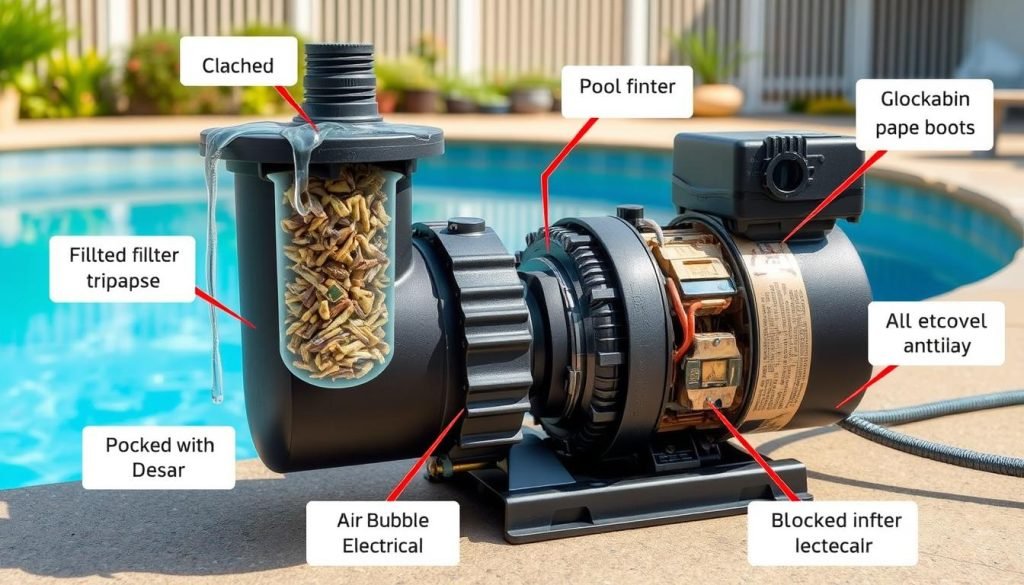
Troubleshooting Pool Pump Priming Issues
When your pool pump fails to prime, several factors may contribute to the problem. Understanding these issues is vital for effective troubleshooting pool pump priming. A well-maintained pool pump is essential for optimal filtration and water quality in your swimming pool, ensuring your equipment operates efficiently.
Why Your Pump Won’t Prime
Identifying why your pump won’t prime can save you from further complications. Here are some common reasons:
- Power Supply: Always check that the power supply to the pump is working correctly.
- Obstructions: Look for any debris blocking the pump basket, which can obstruct water flow.
- Suction Lines: Blocked or damaged suction lines might hinder the pump’s ability to create the necessary suction.
- Size of the Pump: Ensure that your pump is appropriately sized for your pool’s volume. A pump that is too small can lead to low water flow issues.
Check for Air Leaks
Air leaks are a frequent cause of priming problems. Proper air leaks detection can significantly improve the performance of your pool equipment maintenance. Be sure to:
- Inspect fittings and connections for visible wear or damage.
- Consider applying lubricant to O-rings to enhance sealing and prevent air leaks.
- Check valve seals and make sure they are in good condition.
Regular maintenance checks can help you detect air leaks early, ensuring that your pool pump operates efficiently and reducing the chances of costly repairs down the line. Understanding common troubleshooting pool pump priming issues is essential for maintaining a functional swimming pool filtration system.
Steps to Take if Your Pump Doesn’t Prime
If your pump fails to prime, it’s essential to take a systematic approach to identify and rectify the issue. Start by examining several critical components to ensure everything functions properly. This proactive check can save you time and prevent more severe problems down the line.
Inspecting for Blockages
Begin with inspecting for blockages within the system. A significant percentage of pumps that won’t prime—around 90%—experience issues due to low water levels in the pool or stuck skimmer doors. Check the following areas for potential debris:
- Pump basket
- Skimmer
- Visible piping
Removing any obstructions will help improve water flow into the pump. If after these checks the pump still doesn’t prime, consider running a garden hose over the suction side connection. This can occasionally enhance water flow and help identify any existing suction side leaks that may be causing the issue.
Checking O-Rings and Seals
Next, focus on checking O-rings and seals, which play a crucial role in maintaining pump efficiency. Common problems that lead to priming difficulties include cracks or breaks in the pump lid, the pump lid O-ring, or the pump basket. Damage in these components often results in air entering the system, significantly impairing pump performance.
Make sure to inspect the integrity of all seals as a part of your routine pump maintenance. If you notice any wear, replacing these parts promptly can prevent future complications. This diligent care ensures the pump works effectively and extends its lifespan.
| Component | Potential Issues | Solution |
|---|---|---|
| Pump Basket | Debris causing blockages | Clean thoroughly |
| Skimmer | Stuck doors | Manually adjust or repair |
| O-Rings | Cracks or damage | Replace immediately |
| Pump Lid | Air leaks | Ensure tight seal or replace |
Systematically addressing these issues enhances your chance of restoring the pump’s priming ability. Remember, regular maintenance is key to avoiding these problems in the future.
Special Considerations for Inground Pool Pump Priming
Inground pool pump priming demands careful attention to specific factors to ensure optimal performance. Understanding these elements can enhance your experience and maintain your equipment’s longevity. A successful priming process involves several guidelines for inground systems that must be adhered to for efficient functionality.
Ultimate Guidelines for Inground Systems
For effective inground pool pump priming, follow these essential guidelines:
- Ensure all valves are set to the open position to promote proper water flow.
- Maintain appropriate water levels in your pool, as fluctuations can complicate the priming process.
- Familiarize yourself with your pump’s model since operational procedures can vary, requiring different techniques for priming.
- If replacing an existing pump, be aware of height differences between the old and new models. Utilize adjustable bases or stable items, such as paving blocks, to align the new pump properly.
- Address any potential issues by cutting and raising pipes or employing 45-degree elbows to adjust the height if the pump sits too low.
- Utilize proper sealing methods with silicone sealant and PVC glue when adjusting height to ensure a secure connection.
- Always turn off the mains before removing any old pump to prevent electrical shock risks.
- When plumbing, measure accurately before cutting pipes and connect fittings swiftly after applying glue.
- Monitor the water flow post-priming to observe any significant issues, such as air infiltration or blockages.
Effective priming of your inground pool pump not only enhances its efficiency but also extends its lifespan, guaranteeing a smooth swimming experience throughout the season.
Special Considerations for Above Ground Pool Pump Priming
When it comes to above ground pool pump priming, understanding the specific requirements can greatly enhance your pool’s performance. Unlike inground systems, above ground pumps typically grapple with simpler operational issues due to their design. Priming your pump effectively is essential for maintaining its efficiency and prolonging its lifespan.
Understanding Differences in Priming
Above ground pool pumps are generally classified as end-suction or flooded suction pumps. These models operate differently than their inground counterparts. Most inground pumps are self-priming, which simplifies the priming process significantly. This is one of the primary differences in priming between the two types of systems.
For above ground pumps, proper priming is vital to prevent damage to the pump seal. Issues such as low water levels or suction leaks can hinder proper operation. Ensuring you have adequate water in the pool, especially during the opening of the pool in spring, can help mitigate these concerns. If the pump does not achieve a prime within 30 to 45 seconds after activating, you may need to inspect the system for leaks or obstructions.

- Ensure water levels are sufficiently high in the pool.
- Check for air pockets that may obstruct water flow.
- Confirm that the pump is level with the water source.
- Fill the pump strainer basket with water before sealing.
- Tighten the pump lid by hand to avoid air leaks.
- Test for flow within the first 30 to 45 seconds of operation.
Adhering to these guidelines allows you to optimize your pool pump’s performance and enjoy a smoothly running system.
Maintaining Your Pool Pump for Longevity
Maintaining your pool pump for longevity involves a combination of regular upkeep and seasonal considerations. Proper pool pump maintenance ensures optimal operation and contributes to safe swimming conditions while extending the life of your equipment.
Regular Maintenance Tips
Following these regular maintenance tips will help keep your pool pump in good shape:
- Check and clean the filters regularly to ensure they are free from debris.
- Inspect the pre-filter basket and clear out any clogs.
- Verify that the water level is at least halfway up the skimmer face to promote proper flow.
- Disconnect the pump from the electrical supply during maintenance for safety.
- Lubricate seals and O-rings periodically to maintain a good seal and prevent leaks.
- Annually inspect the pump’s energy consumption and motor status to detect possible issues.
Importance of Seasonal Priming
Seasonal priming is essential, especially after winter closures. Before resuming pool operations, ensure all air has been cleared from the pump and lines. This action supports efficient water flow and prevents inefficient circulation. Regular seasonal priming can significantly reduce energy consumption and enhance pump efficiency, ensuring your pool remains safe and welcoming for swimming.
How Long Does Priming Take?
Understanding the appropriate priming time frame is essential for effective pool maintenance. Typically, you can expect the priming process to last between 3 to 5 minutes. Various factors influence how long does priming take, including the specific model of the pump and the degree of air trapped within the system.
Typical Time Frame for Priming
During the priming process, the most common indicators of success include a noticeable change in water flow and visual cues, such as the absence of air bubbles in the pump lid. If the pump does not show effective priming soon after initiation, consider repeating the filling process. Failure to achieve a proper prime can lead to significant issues with your pump, including overheating and damage.
In some scenarios, particularly when the pump location is higher than the water level, additional assistance may be required. You might need to introduce water manually to facilitate the priming process. Here’s a brief table outlining the priming time frame in various conditions to help clarify expectations:
| Condition | Expected Priming Time |
|---|---|
| Standard Conditions | 3 to 5 minutes |
| Significant Air Trapped | 5 to 10 minutes |
| Higher Pump Location | 10 to 15 minutes |
| Complicated Inground Systems | 10 to 20 minutes |
Ultimately, the ability to gauge the priming time frame accurately will assist you in identifying potential issues early and maintaining your pool equipment effectively.
Seeking Professional Help for Pool Pump Issues
Many pool owners can effectively troubleshoot common pump problems, yet certain situations demand the expertise of a professional. Recognizing the right moment to seek professional pool pump service is crucial to maintaining your pool’s efficiency and longevity.
Signs You Need an Expert
- Persistent Priming Problems: If your pool pump frequently struggles to prime, it may indicate underlying issues that require professional attention.
- Unusual Noises: Grinding, screeching, or any unexpected sounds are serious signs of motor distress or bearing problems.
- Physical Damage: Visible damage to the pump or surrounding equipment can lead to inefficiencies and needs immediate assessment.
- Water Leaks: An O-ring leak or other water loss issues can compromise your pump’s efficiency and lead to more complex problems if neglected.
- Increased Energy Bills: If you notice an unexpected spike in your energy costs without any changes in your usage, a malfunctioning pump could be the culprit.
Addressing these concerns promptly not only prevents further complications but ensures that your pool system continues to operate effectively.
Conclusion
Successfully priming your pool pump is vital for maintaining a clean and functional swimming pool. This how to prime a pool pump summary encapsulates the importance of following detailed procedures and troubleshooting effectively to ensure optimal performance. Regular maintenance, including actions like cleaning the pump strainer and lubricating O-rings, will not only enhance your pump’s efficiency but also extend its lifespan.
By adhering to a consistent maintenance schedule, you can prevent issues such as increased energy costs and water quality problems, which might affect compliance with the Australian Pool Safety Standard. Additionally, consider the benefits of using advanced pumps like the Aquagem InverPro, renowned for its energy efficiency and noise reduction. Implementing regular inspections and seeking professional help when necessary will keep your outdoor sanctuary inviting and enjoyable.
In conclusion, a comprehensive approach to pool pump maintenance and proper priming is essential for enhancing your pool’s longevity and performance. Should you encounter persistent issues, engaging a professional is advisable to ensure your pool remains in optimal condition. Remember, for any pool servicing inquiry, feel free to contact us.